
Celebrity
No, Tom Hanks didn't endorse those AI ads
Two viral video ads used his face and voice to sell a dental plan and "miracle cures." Both are confirmed fake by Hanks himself — but nobody has confirmed who made them.
Celebrity follows the actors, musicians and internet-famous names sitting at the center of the week's noise. Stories are built as timelines: the post, the response, the walk-back, the consequence. Statements appear at length rather than trimmed. Written for readers who want the sequence in order, not the pile-on around it.
Two viral video ads used his face and voice to sell a dental plan and "miracle cures." Both are confirmed fake by Hanks himself — but nobody has confirmed who made them.
Impersonation accounts borrow real photos and verified-looking pages to farm trust — here is the verification checklist that exposes them.
Every awards season produces a wave of anonymous whispers — here is who plants them, why, and the checklist that separates confirmation from spin.
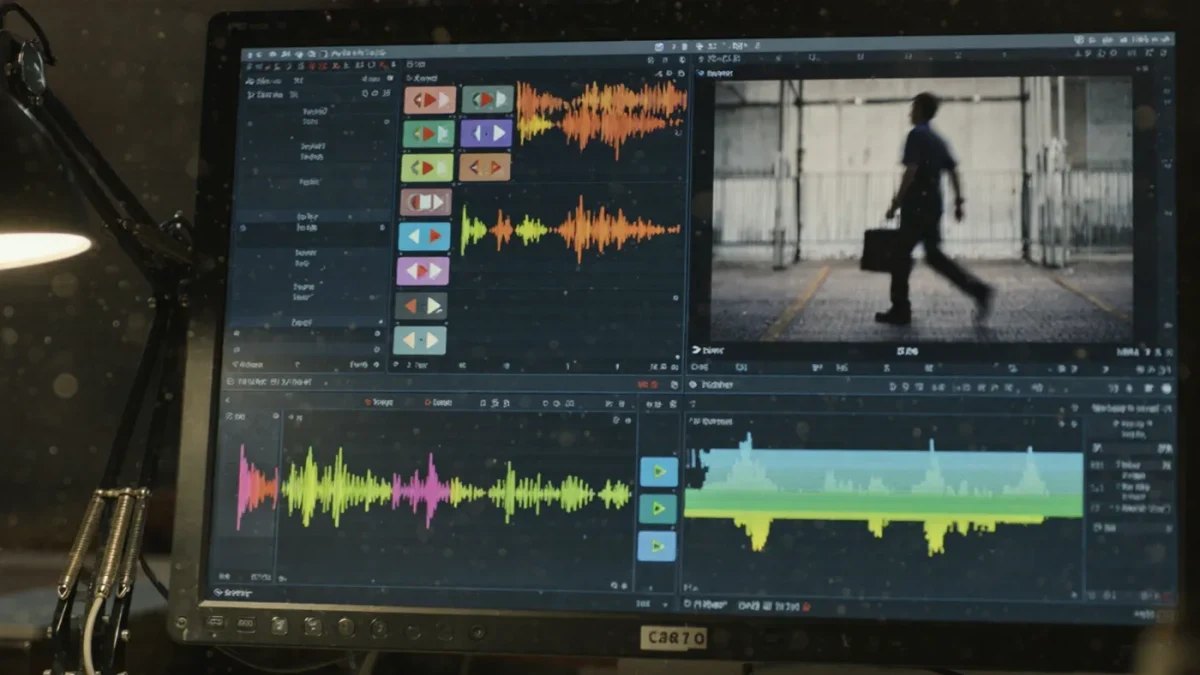
Fan edits and deepfakes now pass for real celebrity clips — here are the visual and source checks that separate a remix from a recording.

Real endorsement deals leave a paper trail on both sides — fake ones exist only as a single anonymous post.
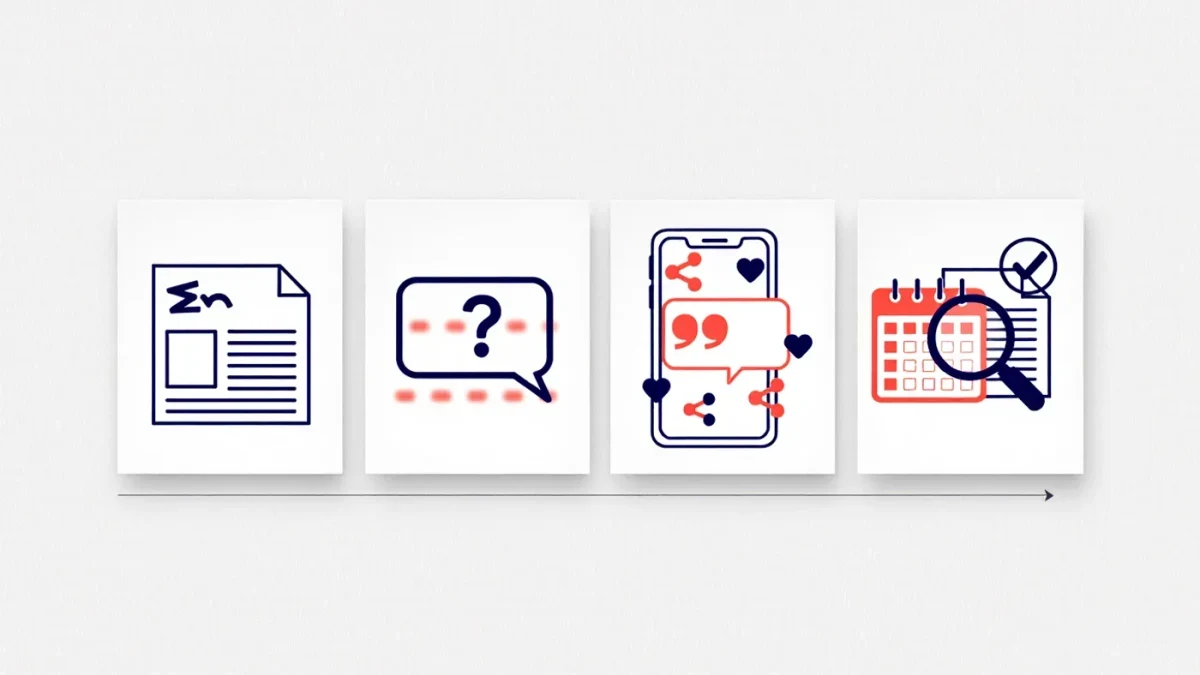
Most viral star quotes were never said — they're satirical lines, misattributions and invented wisdom that outlive every correction.

The confident seven-figure lists are estimates built from public records and guesswork — here is why no two sites agree.
"In talks," "attached," "rumored" — casting stories have a strict hierarchy of proof, and most viral ones sit at the bottom.
Celebrity statements are written to be quoted and not understood — here is what each familiar phrase signals.
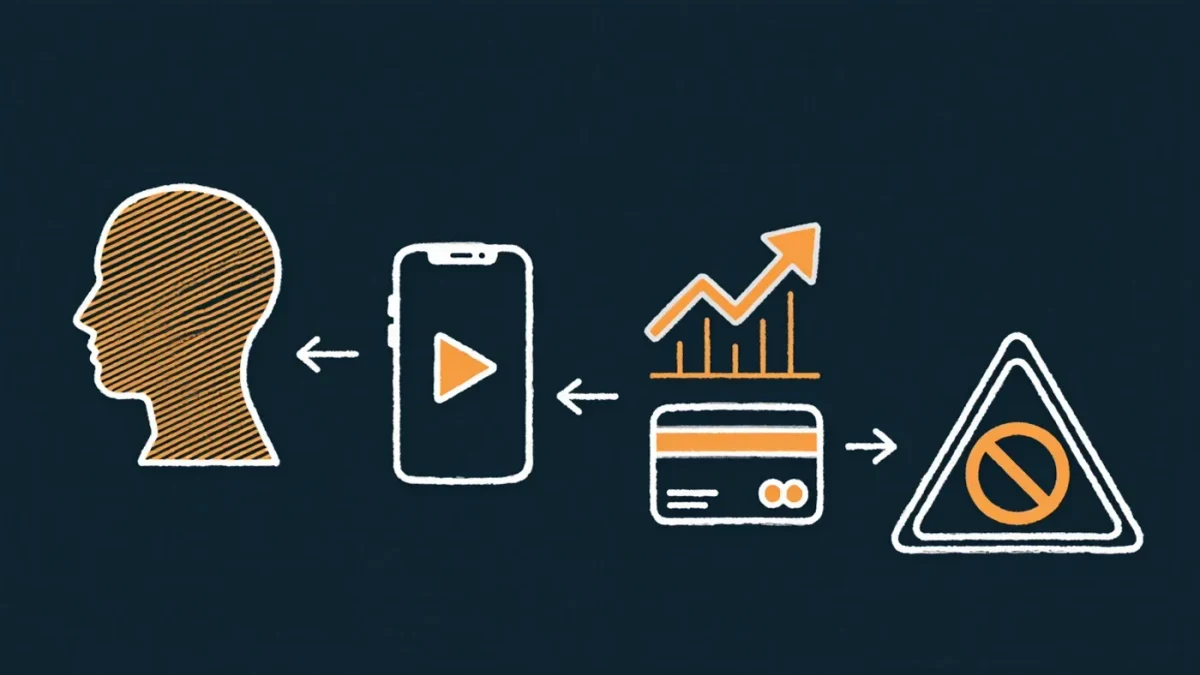
Cloned voices and faces sell crypto cures and financial "systems" — the ad is the product, and the star was never there.