Culture
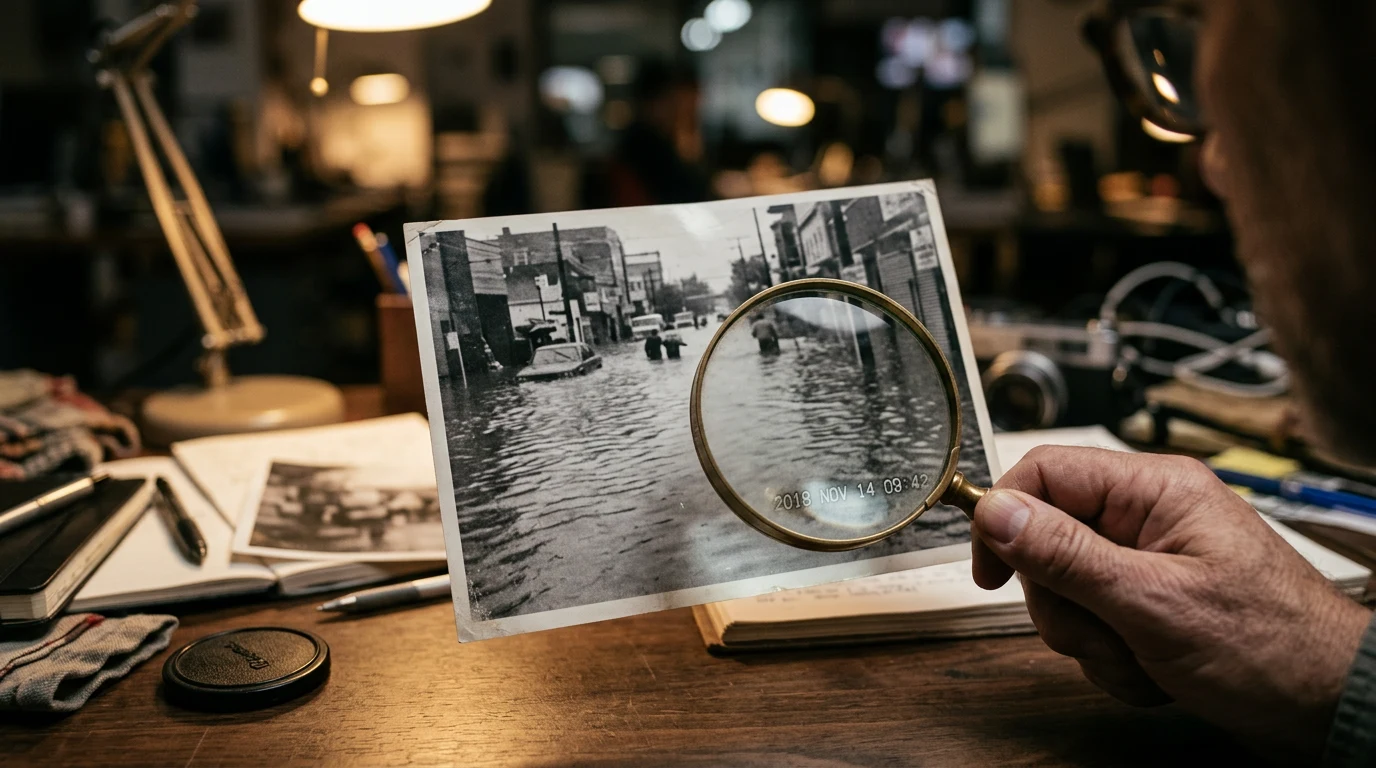
Trace any viral photo to its real source
Reverse image search is the same tool librarians and fact-checkers use to catch recycled disaster photos, like the shark that resurfaces every hurricane season.
Culture steps back from the daily churn to ask why a format, joke or piece of slang travels at all. Coverage traces origins, credits the communities that built them, and follows what happens once a niche reference reaches television advertising. Aimed at readers curious about the shape of online life.
Reverse image search is the same tool librarians and fact-checkers use to catch recycled disaster photos, like the shark that resurfaces every hurricane season.
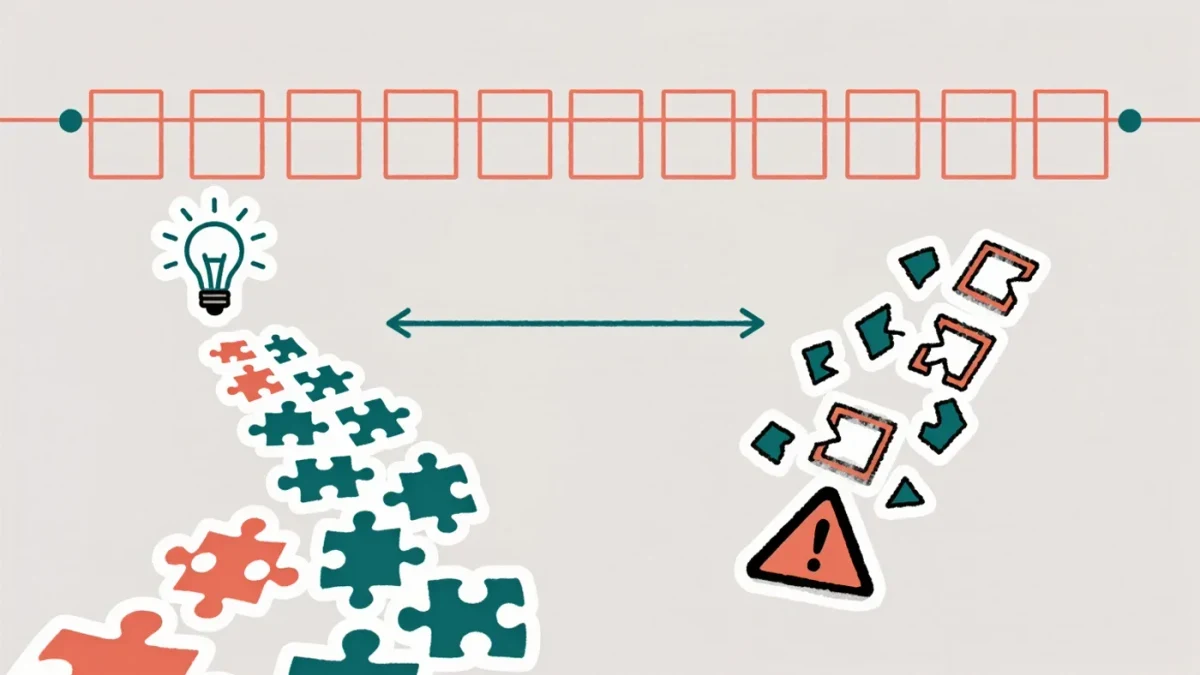
A fan theory is speculation played openly; disinformation is a fabricated claim sold as fact — the border is evidence and intent.

'Everything was better before' is a feeling sold as a fact — archives, price records and old newspapers settle what the past was actually like.
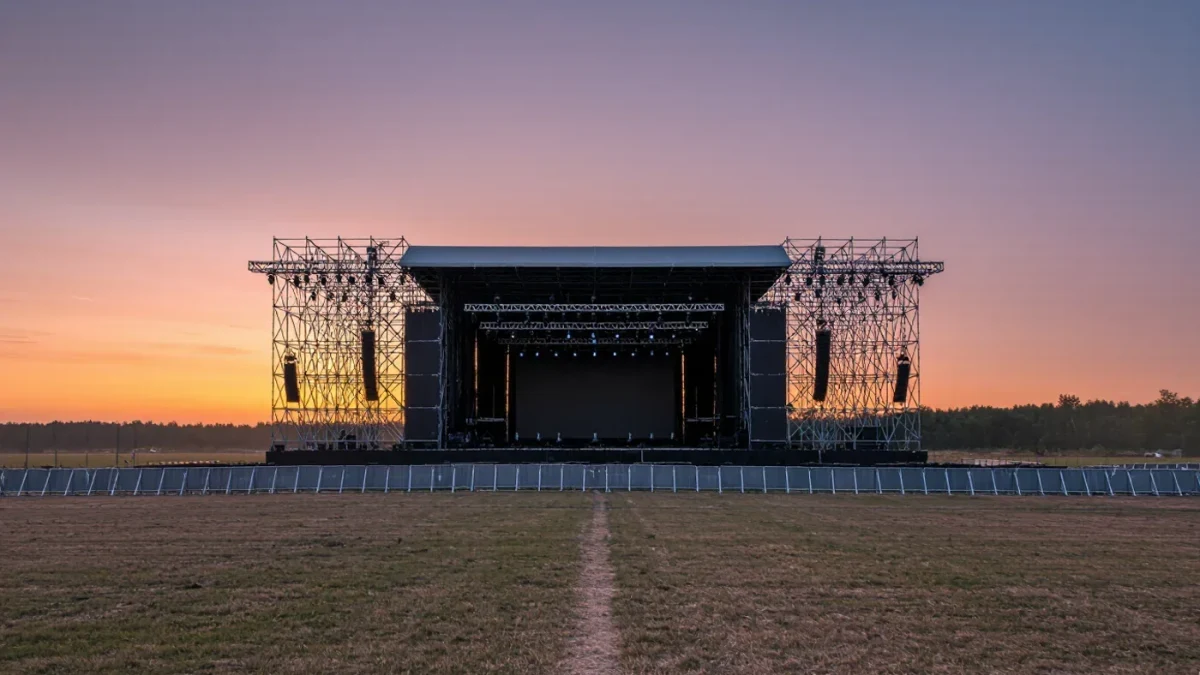
Most 'leaked' festival posters are fan edits or ticket-bait — only the organizer's announcement and named outlets confirm a lineup.
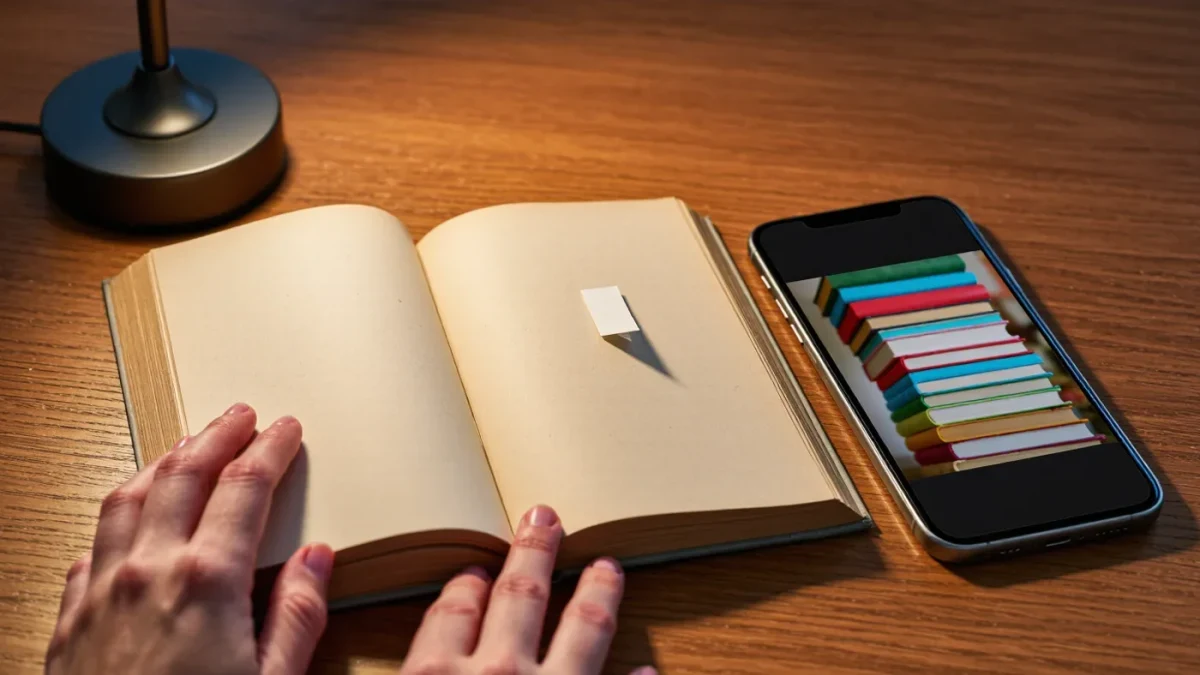
Publishing rumors, 'banned book' lists and author drama on BookTok — three checks separate verified publishing news from engagement lore.
Streaming services detect artificial plays with behavioral analysis and remove them in bulk — and chart authorities disqualify what survives.

Real leaks come from production, post-production and previews — most 'leaks' online are guesses, fabrications or bait, and each type checks differently.

Impossible goals, doctored scoreboards and recycled highlights — four checks catch most fake sports clips before the final whistle.

Heist rumors, attic masterpieces and 'hidden codes' in paintings follow scripts — and museums, registries and archives settle them.

A meme can be funny and false at the same time — three questions reveal when a joke is doing the work of misinformation.