
Viral
Viral collects the videos, posts and audio clips moving fastest across TikTok, X, Reddit and Instagram, each traced back to its original upload. Entries explain who posted first, how the thing spread, and whether it is genuine, edited or recycled from an older cycle. For readers who want context before resharing.

Four moves separate the original post from the repost — and the original is the only version worth judging.
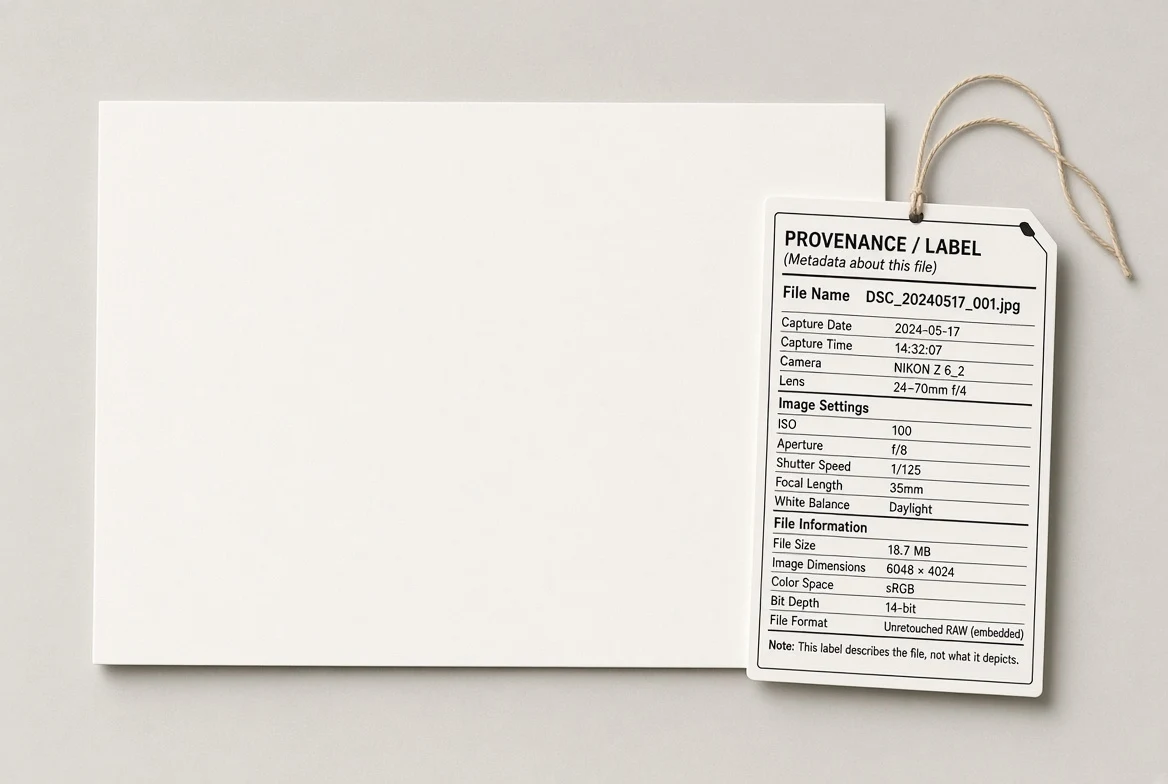
The "Cr" pin confirms who signed a file and what edits they recorded — not that the image is true. Here is the verified mechanic, and where federal researchers say it fails.


The apology video is a genre with a grammar — and once you can read the grammar, you can tell an apology from a performance of one.

Einstein never defined insanity, Gandhi never said 'be the change' — misattribution is a century-old machine with a simple maintenance manual.
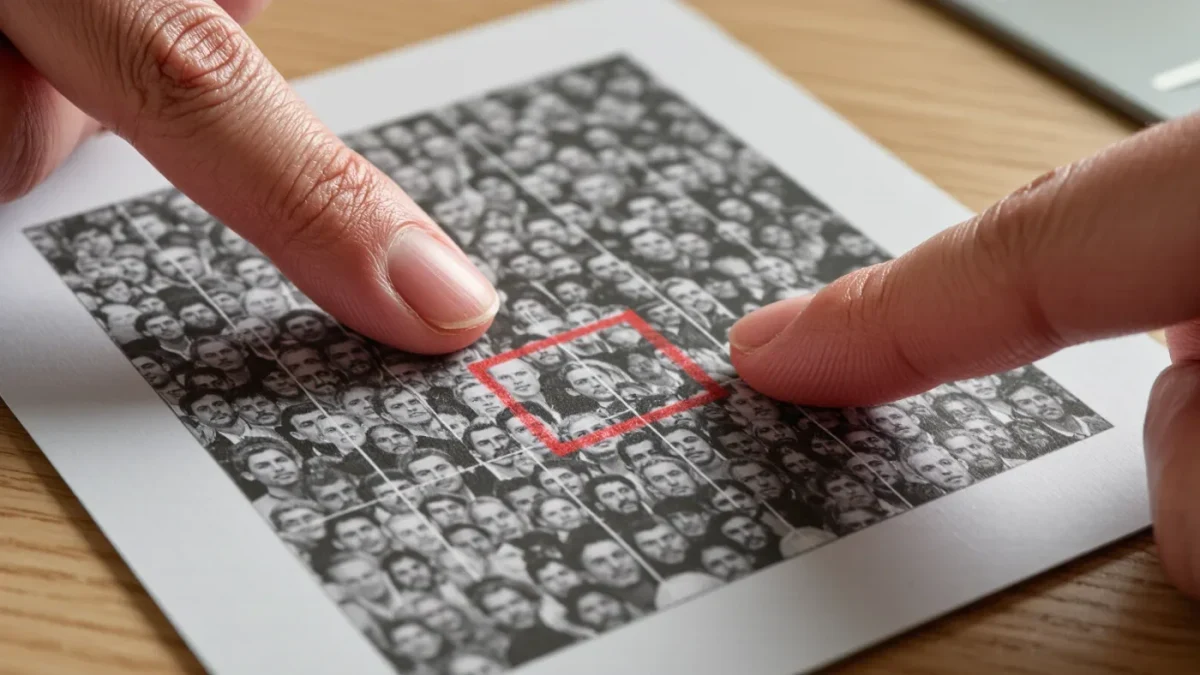
Every viral crowd photo comes with three conflicting numbers, and the disagreement is not spin — counting people from above is genuinely hard science.
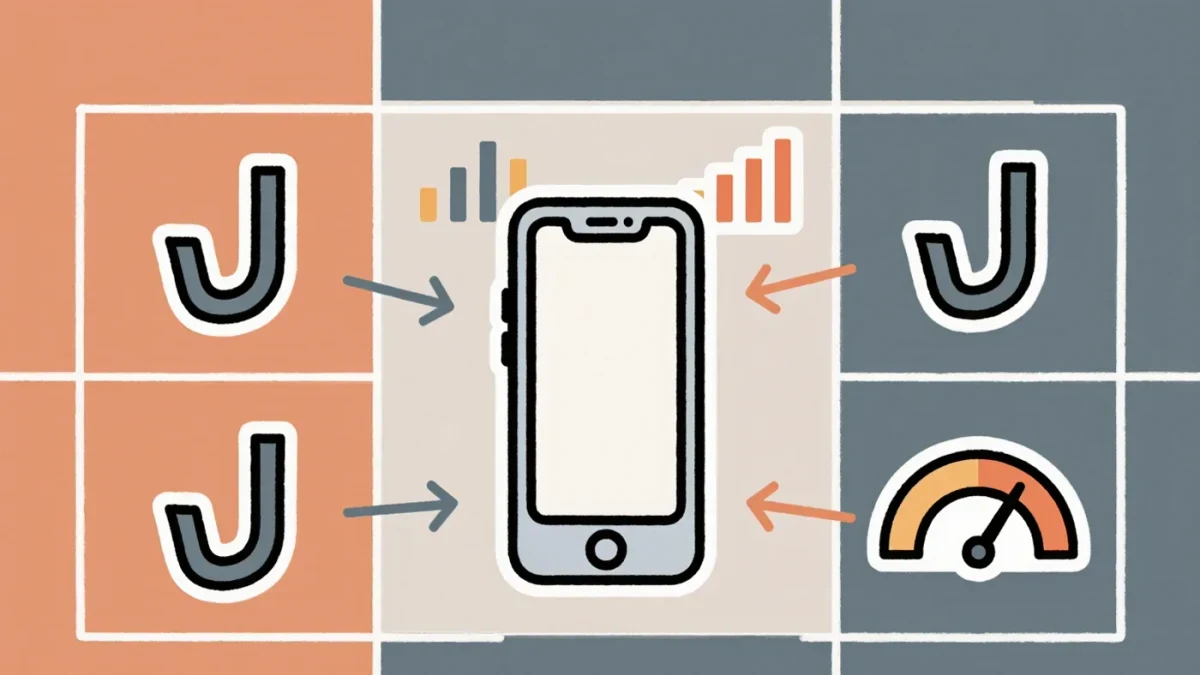
'Comment YES if you agree' is not a question — it is a machine that converts your reflex into reach, and it has been platform policy since 2017.

The clip is real, the event is real, and the date is a lie — recycled footage is misinformation's most durable product.

Most misleading charts do not lie with numbers — they lie with axes, and you can audit an axis in ten seconds.