
Social
Why false claims spread faster than the corrections
The largest study ever run on the question found falsehood beats truth on every platform metric — and the reason is people, not bots.
Social covers the machinery behind the feed: ranking changes, moderation decisions, feature rollouts and outages across the major platforms. Each piece states the mechanic first, then what it does to reach, to creators and to the kind of post that now travels. Useful to anyone who posts professionally.
The largest study ever run on the question found falsehood beats truth on every platform metric — and the reason is people, not bots.
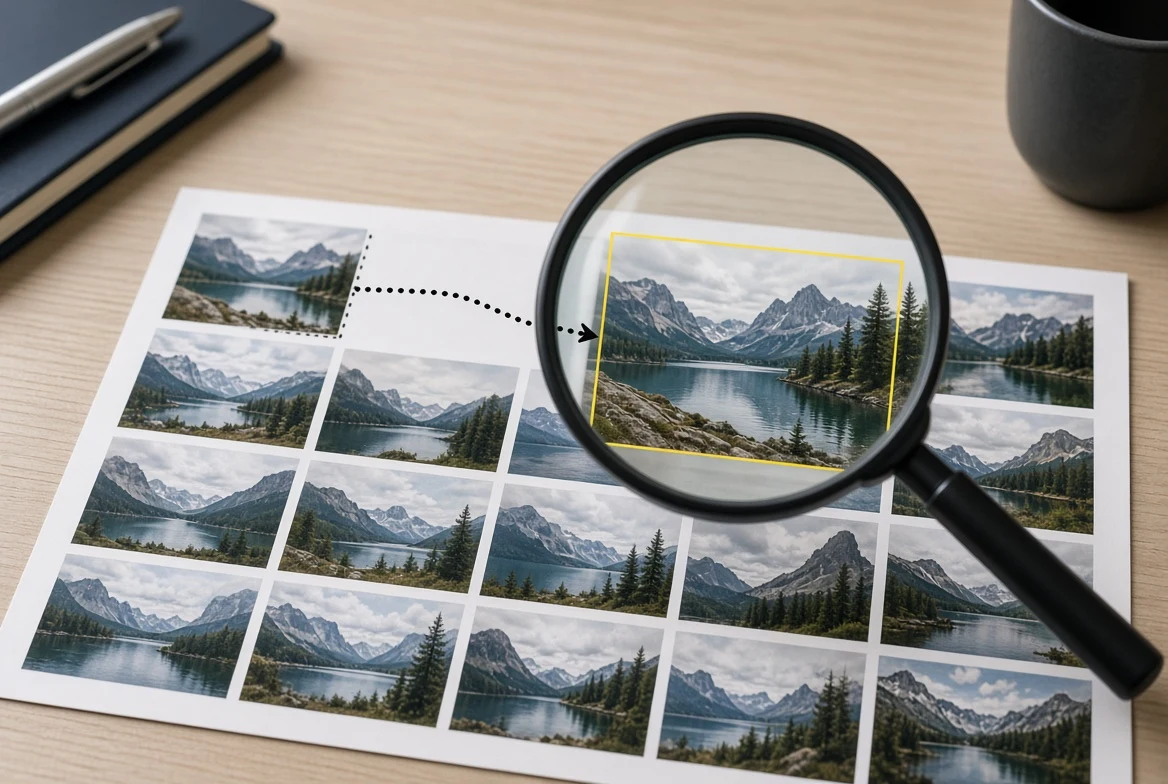
A viral photo shows up with a caption attached. Here is what reverse image search can confirm about it, and what it cannot.
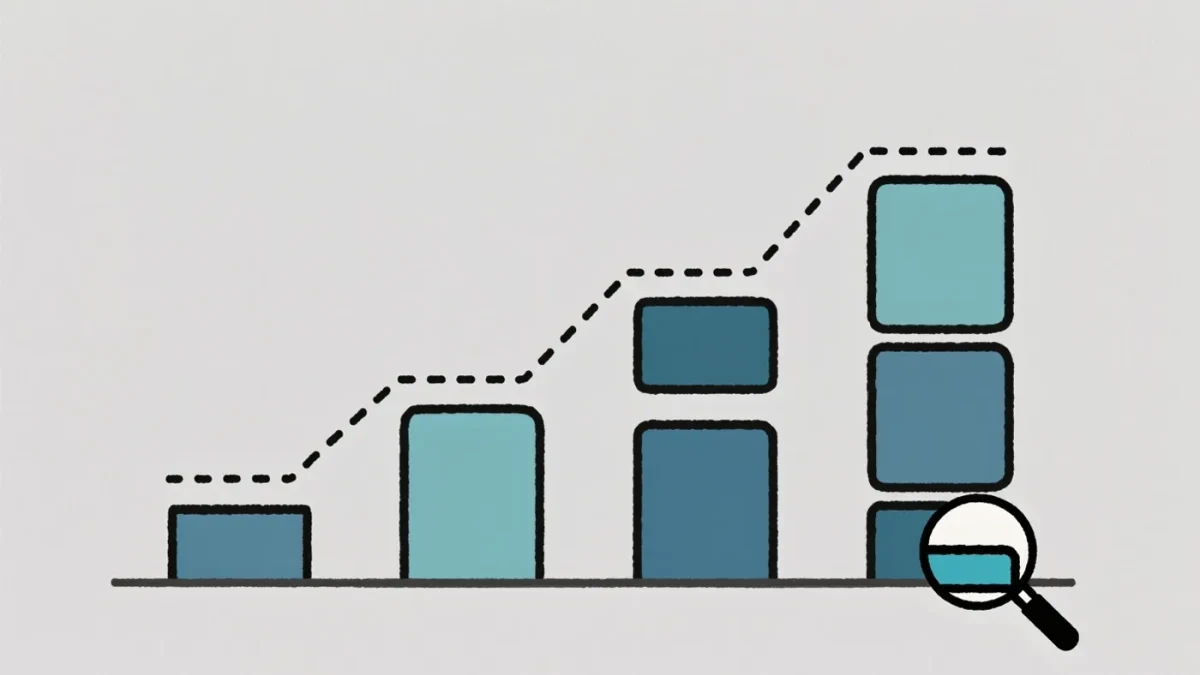
Platforms publish enforcement counts in the millions and billions — but raw removal totals mean little without definitions, denominators and baselines.
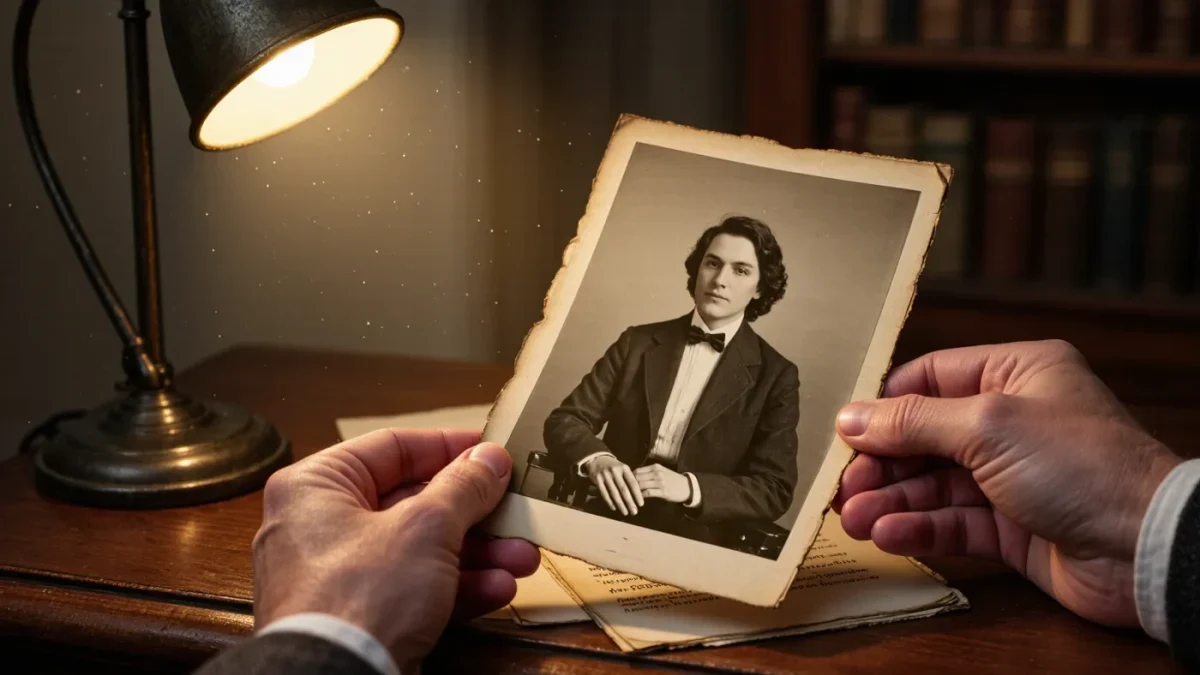
When a viral post vanishes, the internet's archives usually still have it — and a timestamped capture is evidence a screenshot can never match.

Bought followers are cheap and visible — follower counts jump, engagement does not, and the gap is measurable from the outside.

False claims travel further when wrapped in a suit — LinkedIn's professional setting borrows credibility from the office and spends it on hoaxes.
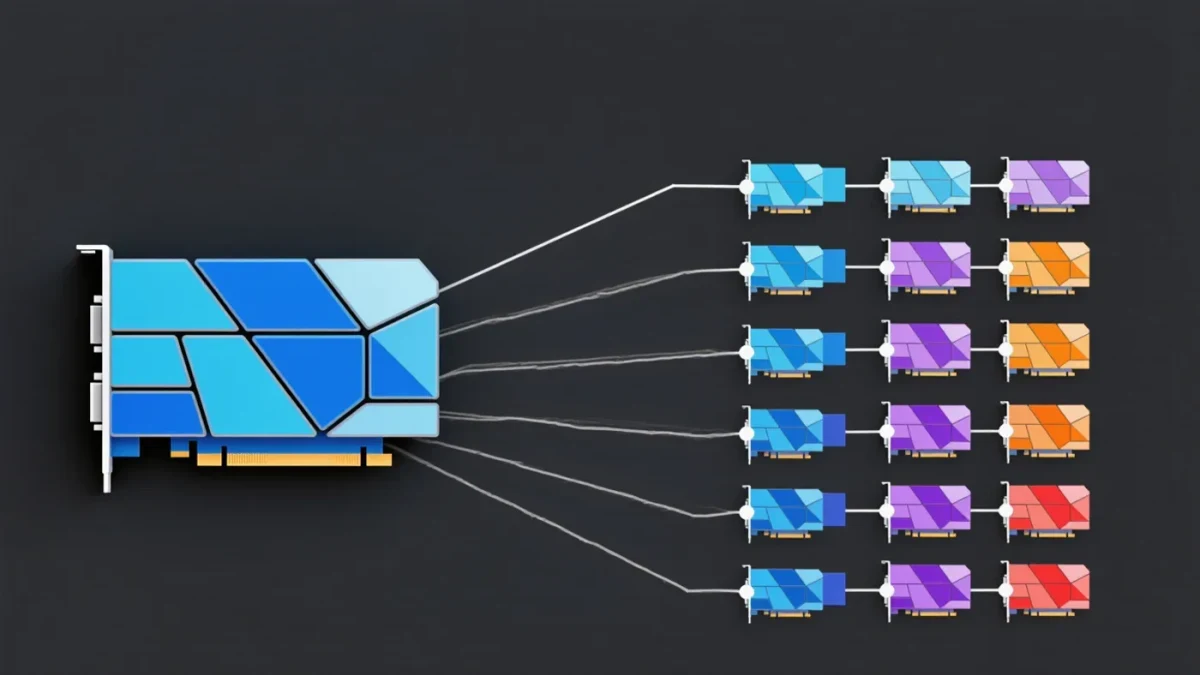
TikTok's format hides provenance by design — but a claim on TikTok can be traced to its origin with one consistent method.

Fake giveaway pages harvest follows, registration fees and card details — every step after 'you won' is the actual product.

The copy-paste warning about hackers, friend requests and fake giveaway notices is a decades-old chain letter that never names a checkable source.

Networks of automated accounts amplify posts with clockwork timing and near-identical wording — and the traces are visible without any special tools.